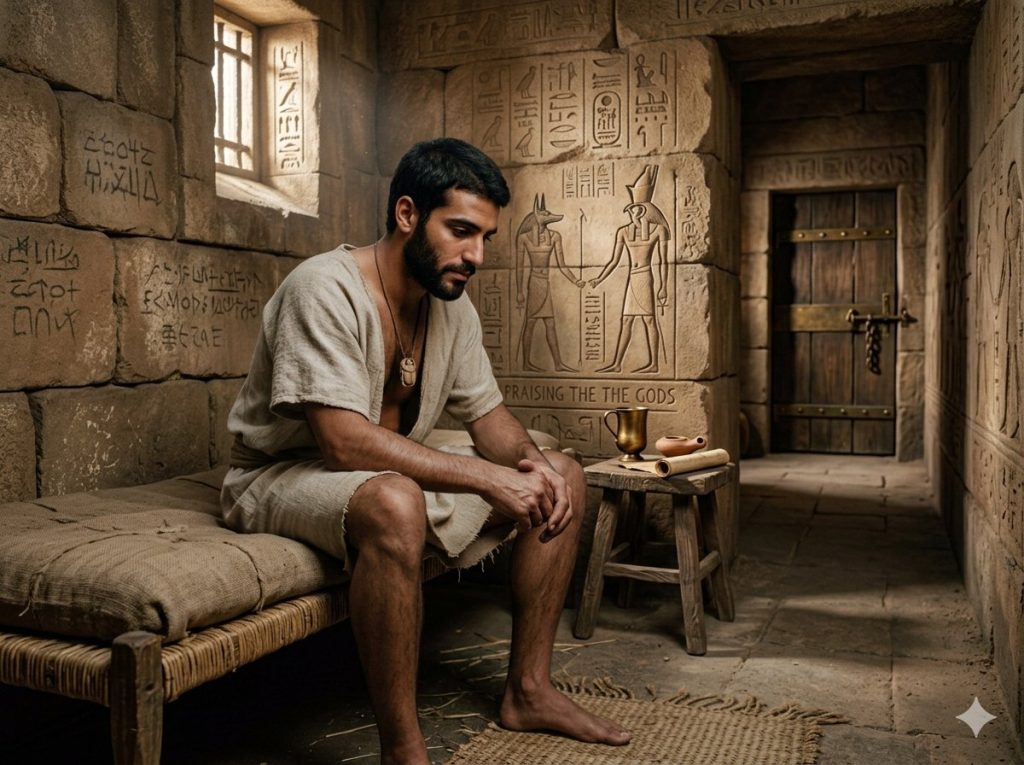
If a motel ever defined the word “seedy,” The Stumble Inn surely did. As the motel is attached to a bar, you can easily draw your own inferences. But our family was desperate. Plus, no other rooms were available for miles around.
Thus, we stumbled into the Stumble Inn. With every breath, you felt like you were sucking in mold itself. The dropped ceiling sagged with a weariness that suggested it might well drop—right onto our heads. Surrounded by the soused, caution dictated we heave the ancient dresser in front of the door.
Rest is often elusive
Frankly, the thought of lying down on the bed did not induce a state of drowsiness. Nor was that impression aided by the wailing of guitars and the thud of drums from a local band inflicting local pain—well into the wee hours. Looking back, we’d have been far better off, gotten way more—and better—rest if we’d just reclined the seats in our minivan and slept there.
To be fair, rest is often elusive, even in a clean, comfortable room, even after you’ve taken your melatonin. But rest at the level of the soul—that’s a way bigger deal yet. Which makes the promise of Psalm 91 a true delight.
To be near Him
The familiar first verse reads, “He who dwells in the shelter of the Most High will rest in the shadow of the Almighty.” Notice that the promise is made to “he who dwells.” Not he who visits. Not he who drops in on Sundays for an hour, but he who chooses to live in the shadow of the Most High. Which means we’re actively, constantly choosing to be near Him—no shadow otherwise.
The offer in this verse is rest. Because rest is what we really need. Rest from the get-more, buy-more, do-more marathon of modernity.
Loud, suffocating, and painful.
We lie down at night, but so often fail to rest. Have you noticed? I can’t speak for you, but a lot of the time, that lack of rest is because I’m dwelling on regrets from today, dwelling on concerns about tomorrow, dwelling on my (unfinished) to-do list, or dwelling on next week’s calendar. Then there’s self-condemnation and false guilt kicking us in the gut. It’s the soul’s version of the Stumble Inn: loud, suffocating, and painful.
A better choice
But the Almighty bids us leave all that behind. Come, dwell in His shelter, His presence, His promises. Loveliness itself.
If you listen to your own heart long enough, you’re sure to hear it. It’s a whisper, if not a whimper—for rest. And if that’s what you truly want, leave the Stumble Inn. Instead, head straight for the shelter of the Most High. But don’t just visit. Move on in! And enjoy the rest only He can give.
Love to get your feedback. Email me at Jgauger59@gmail.com. Thanks!